Filters
Sort by
No products found

A kids duck down puffer jacket is a down filled winter jacket sized for children, built to keep a child warm on a cold morning without the weight that stops them moving. This Duck Apparel collection covers duck down puffer jackets for children in South Africa, where winter runs from June to August and inland mornings can start below freezing. Duck Apparel has made duck down outerwear in South Africa since 2017 and has sold in Australia since 2021.

What makes a down puffer different to an ordinary kids jacket?

Down is warmer for its weight than fleece or polyester wadding, and that difference matters more for children than for adults. A child in a heavy coat stops running, climbing and playing, then either takes the coat off or overheats in it. A down puffer delivers the same warmth in a lighter garment, so the jacket stays on. The down sits inside stitched channels called baffles, which stop it sliding into the hem and leaving cold gaps across the chest and back.

The trade off is water. Down loses its loft once it is properly soaked, so a puffer is a cold and dry weather jacket rather than a wet weather one. In Cape Town, where winter is also the rainy season, families tend to pair a puffer with a waterproof layer or waterproof footwear rather than expecting one jacket to do both jobs.

How do you size a kids duck down puffer jacket?

Size a kids puffer to the child's current measurements plus room for a school jersey, not to a whole year of growth. An excessively oversized jacket may reduce the effectiveness of the insulation and restrict comfortable movement. Aim for sleeves that end at the wrist bone, a hem that covers the hip, and a zip that still closes over a jumper. Check the size chart on each product page rather than relying on age alone, because children of the same age vary widely. Parents shopping for more than one child usually start from the wider kids range.

When do children need a down puffer in South Africa?

June to August is the main season for a kids puffer jacket in South Africa, and the coldest hour of the day is usually the school drop off before seven in the morning. Inland regions get the hardest cold, with frost across the Highveld and the Free State, snow on the Drakensberg and Eastern Cape peaks, and single digit mornings in Gauteng for weeks at a time. The shoulder months matter too, since April, May and September stay cold at altitude and after dark. A puffer is also the jacket to pack for camping trips, early sports fixtures and any winter travel to the interior.

What should you wear with a kids puffer jacket?

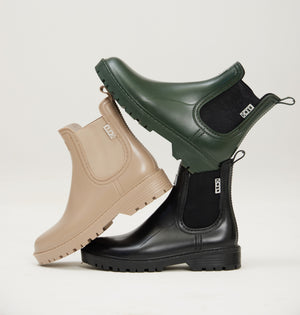
Layering under the puffer is what makes it work, so start with a long sleeve top, add a fleece or school jersey, and let the jacket do the rest. Hands, heads and ears lose heat fastest on a child, which means a beanie and gloves usually add more comfort than a thicker jacket does. Boots with a warm sock keep the whole outfit working on wet mornings. Accessories that finish the outfit sit in complete the look.

Frequently Asked Questions

What is a kids duck down puffer jacket?

A kids duck down puffer jacket is a children's winter jacket insulated with duck down and stitched into quilted channels that hold the down evenly across the garment. Down traps warm air near the body, which is why a puffer feels warm without being heavy. The quilted look that gives the puffer its name comes from those stitched channels.

Are duck down puffer jackets warm enough for South African winters?

Yes, a duck down puffer jacket is warm enough for a South African winter, including frost mornings on the Highveld and snow days in the Drakensberg. Down insulates by holding still air against the body, so it copes with the cold dry conditions that define most of the country's winter. For extreme cold, a jersey or fleece under the jacket adds warmth more effectively than sizing up.


What size puffer jacket should I buy for my child?

Buy the size that matches your child's current chest and height measurements, with just enough room for a school jersey underneath. An excessively oversized jacket may reduce the effectiveness of the insulation and make it harder for a child to move comfortably. Use the size chart on the product page rather than the age label alone, since children of the same age can differ by several sizes.

Can kids wear a down puffer jacket in the rain?

A down puffer jacket is best kept for cold dry weather rather than sustained rain, because wet down flattens and stops insulating until it dries out fully. Light drizzle on the way to school is not a problem, but a day of Cape winter rain is. On wet days, add a waterproof layer over the puffer or swap to rain specific gear.

How do you wash a kids down puffer jacket?

Wash a kids down puffer according to its care label, which takes priority over any general rule. Down garments are generally washed rarely, gently and with a mild detergent, then dried thoroughly and slowly so the down separates and fluffs up again instead of drying in clumps. Spot cleaning cuffs, collars and the front zip area between washes keeps a school jacket presentable.

What is the difference between a kids puffer jacket and an adult one?

A kids puffer jacket differs from an adult one mainly in proportion and movement, not in how it insulates. Children's versions are cut shorter in the body and sleeve relative to width, so a child can lift their arms, climb and sit down without the jacket riding up. The construction principle is the same, which is down held in stitched baffles under an outer shell.

Where else can I look for kids winter clothing at Duck Apparel?

Duck Apparel lists children's outerwear across more than one collection on the South African site, so it is worth comparing before choosing. Families shopping for a child's winter jacket often look at Juffers alongside this collection. Comparing the two is the quickest way to see which shape and length suits your child.