GILET COLLECTION

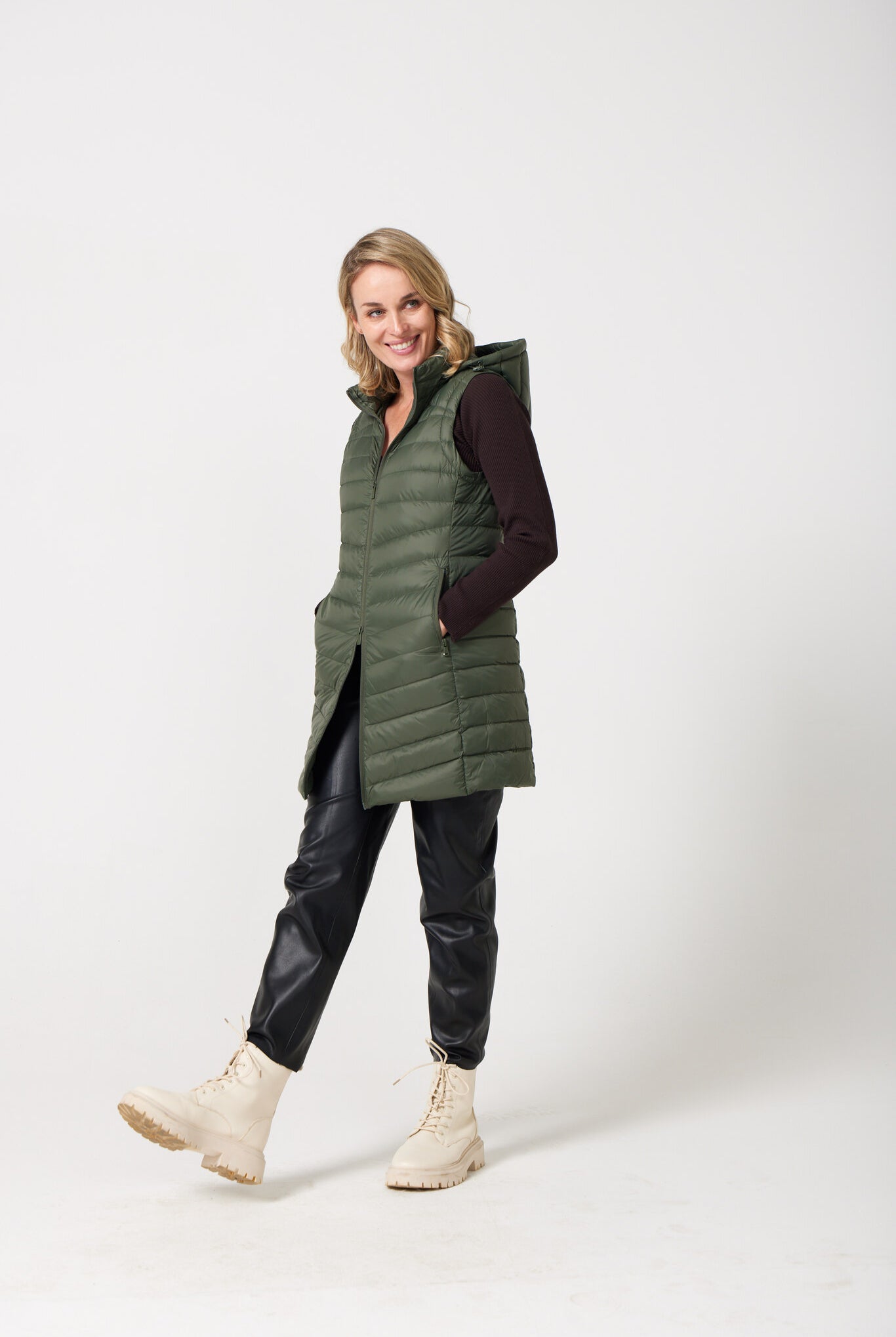
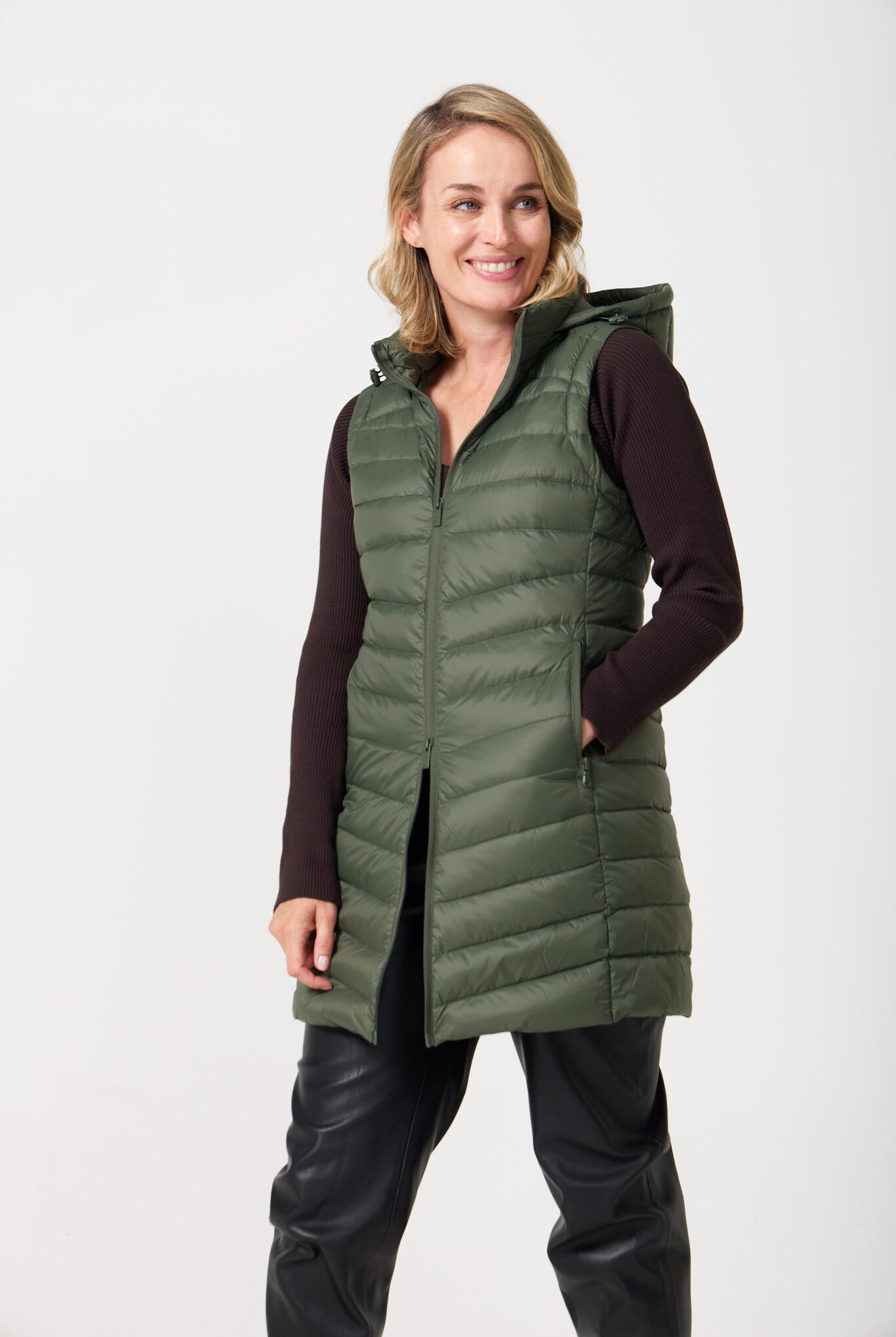
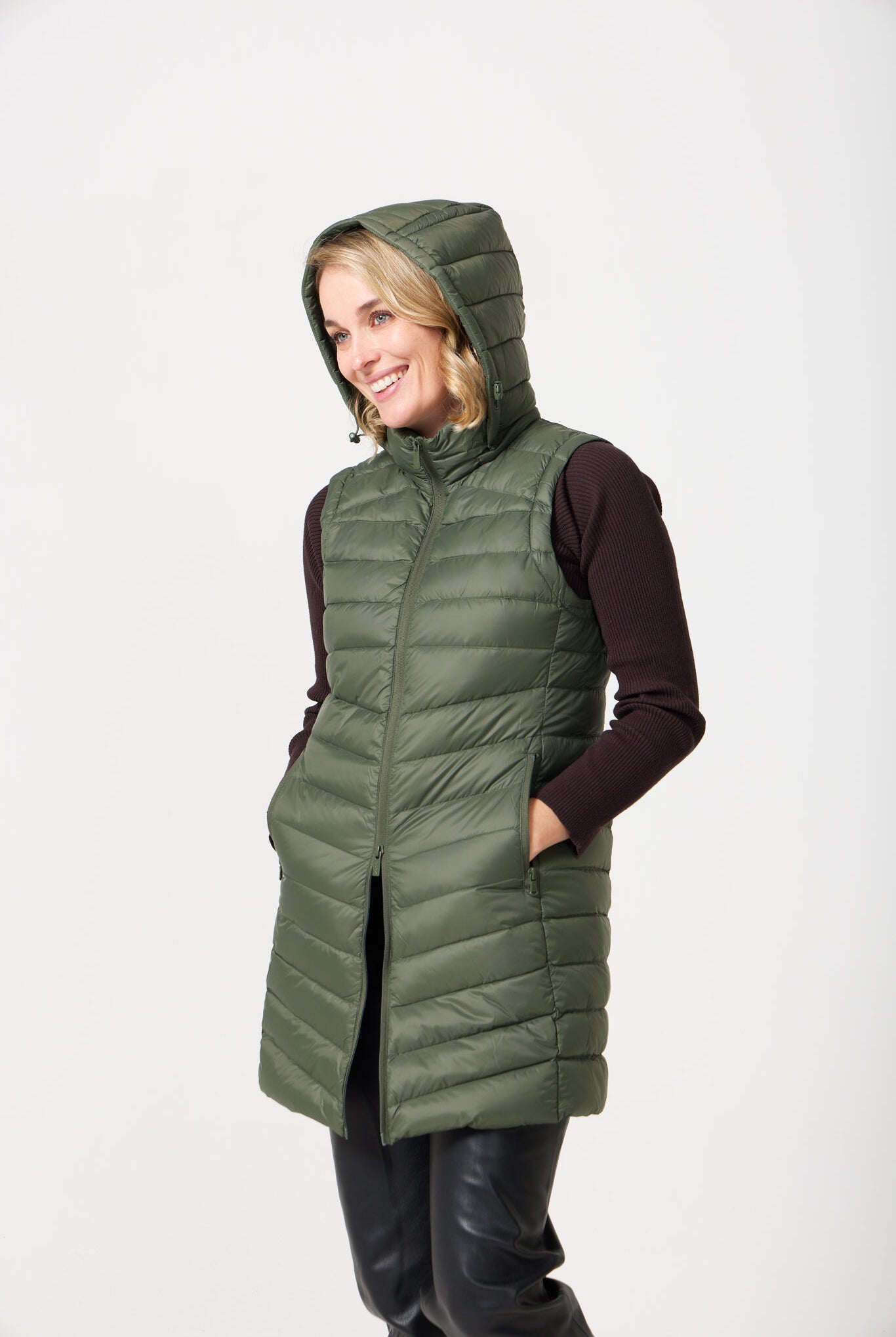
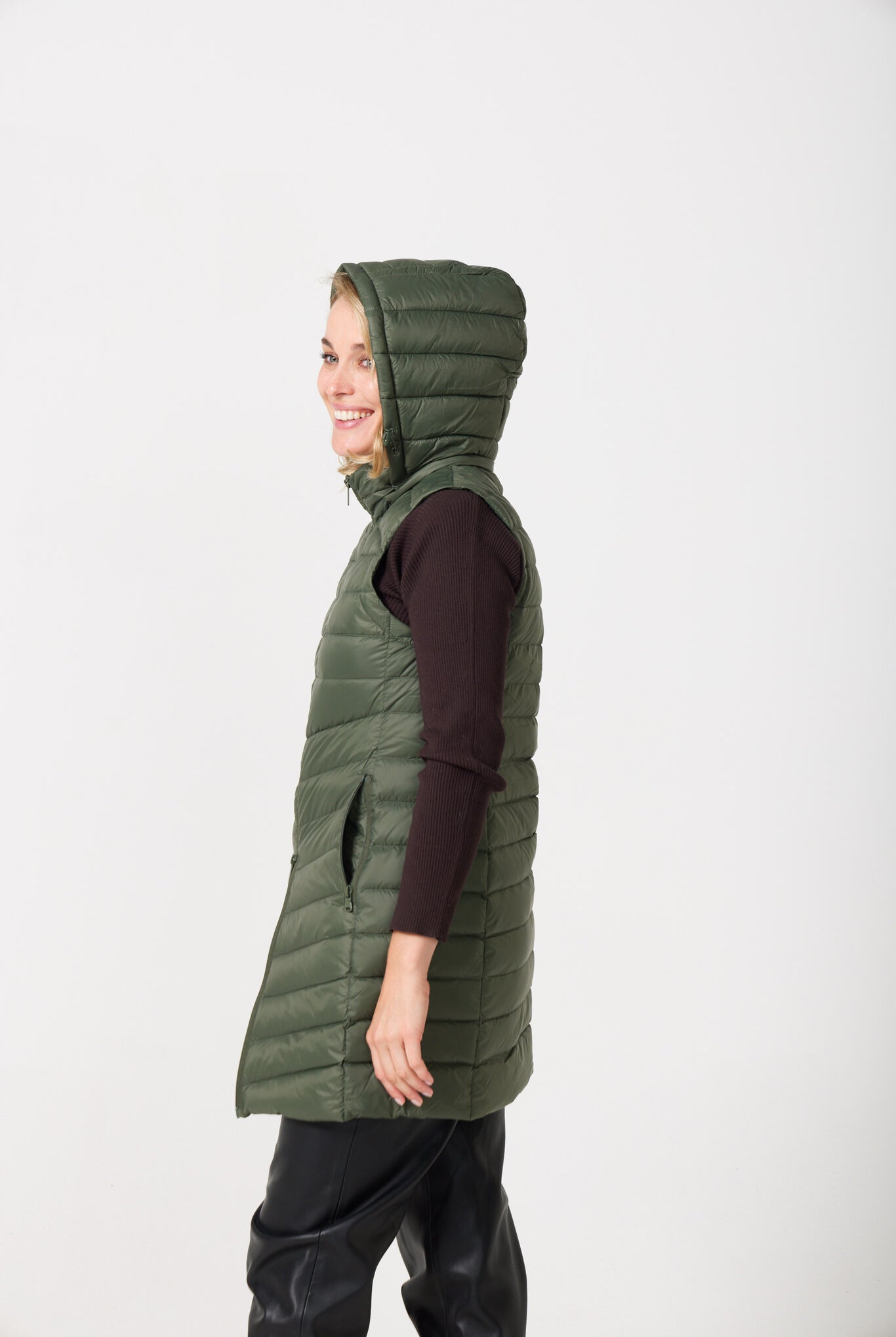
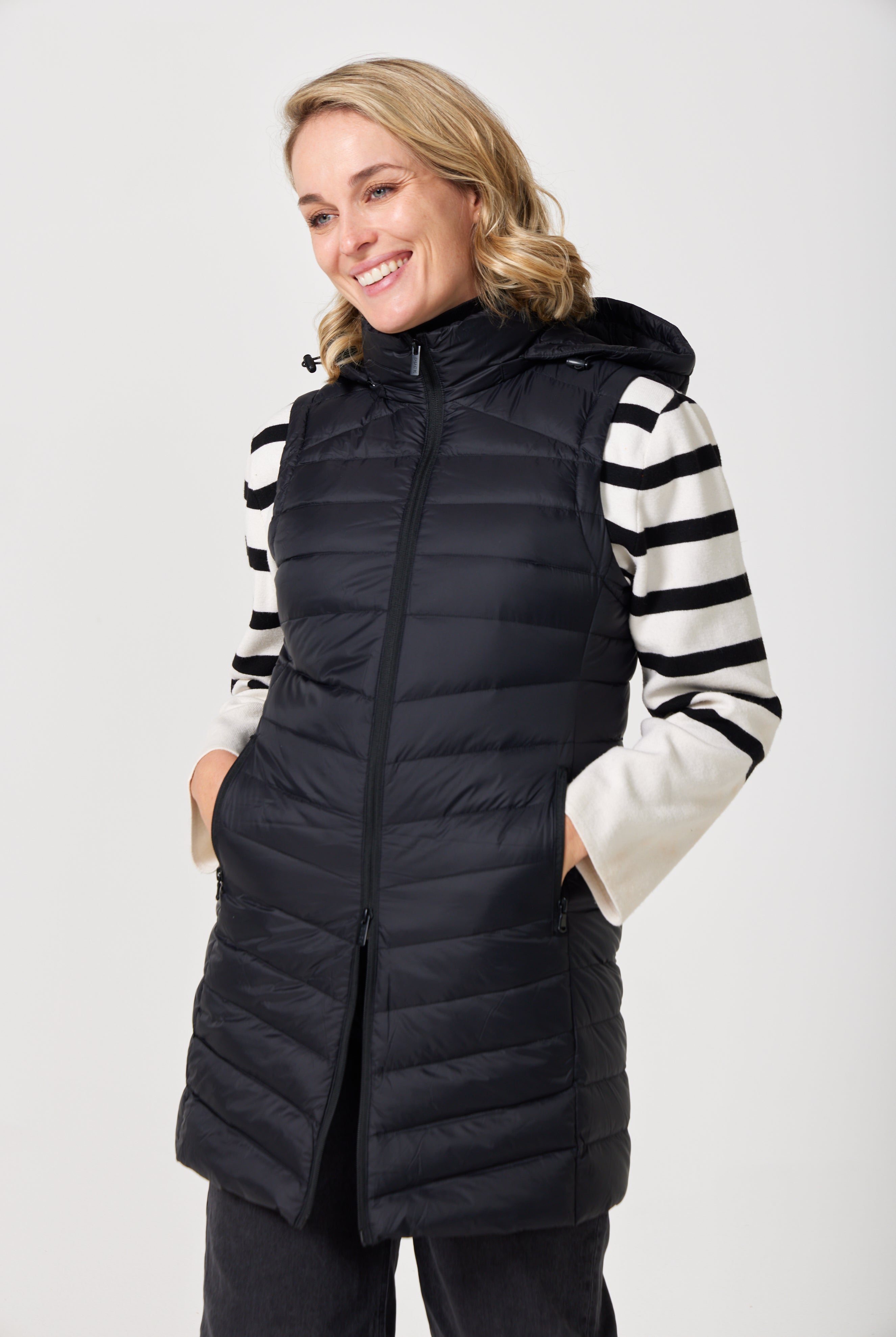
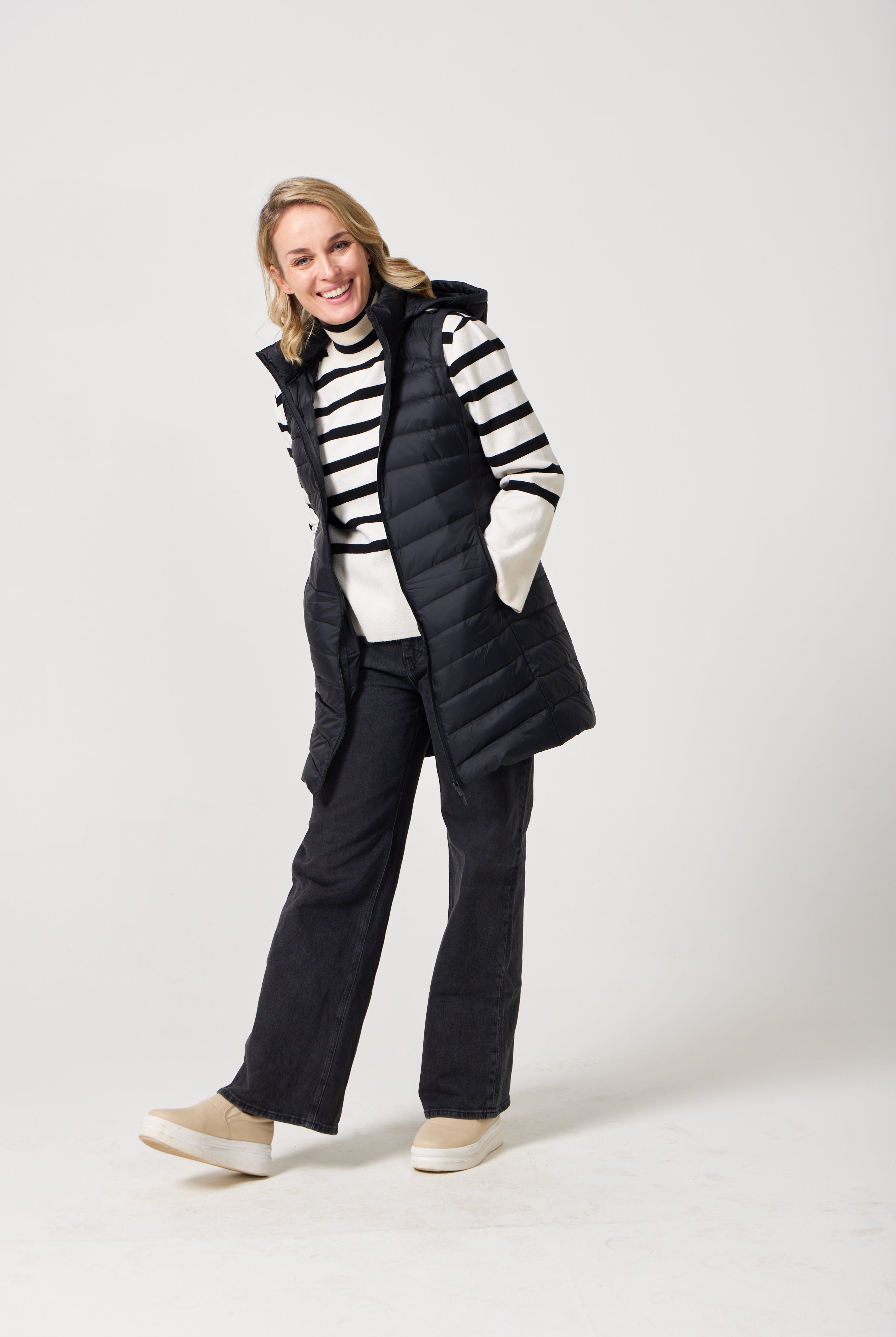
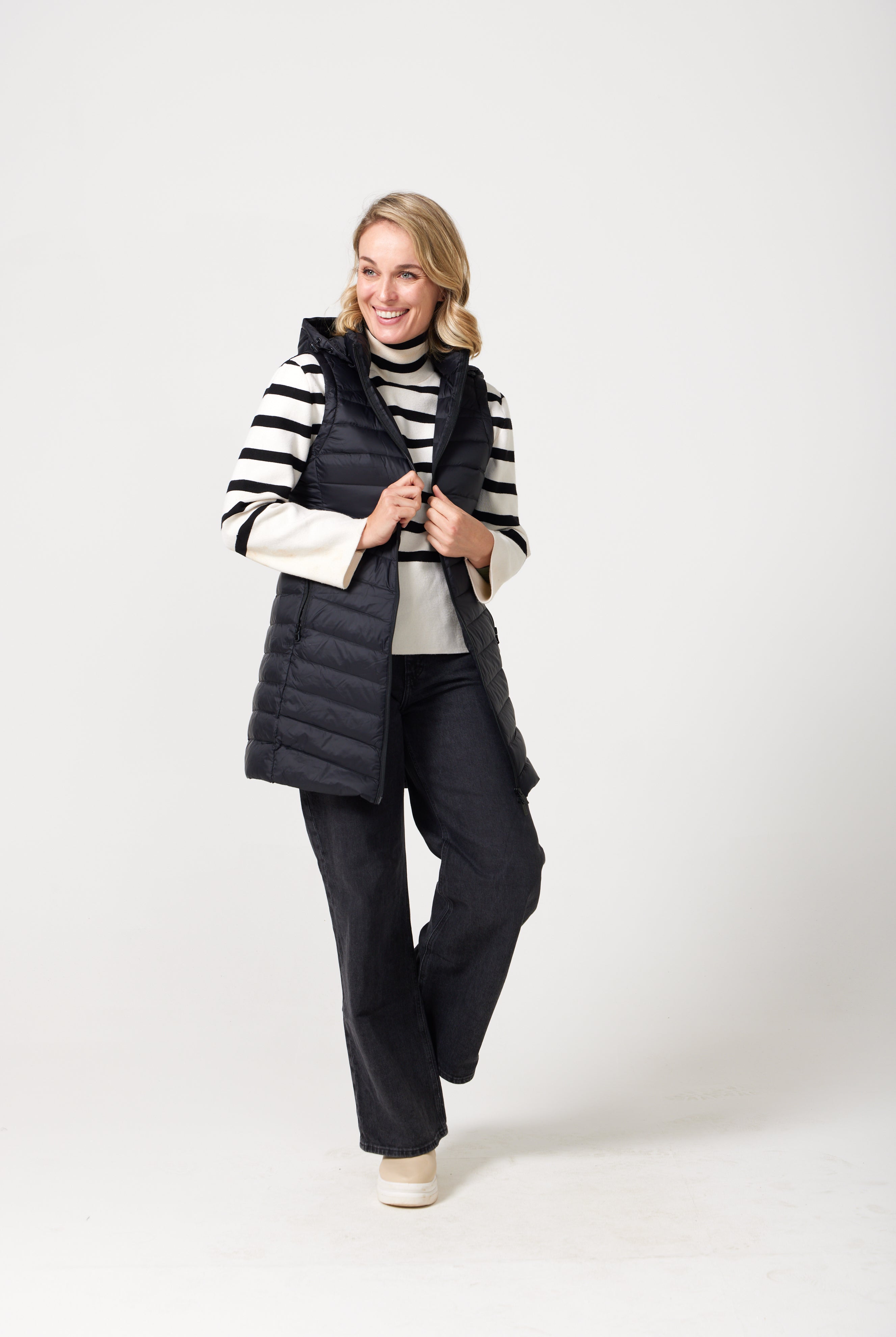
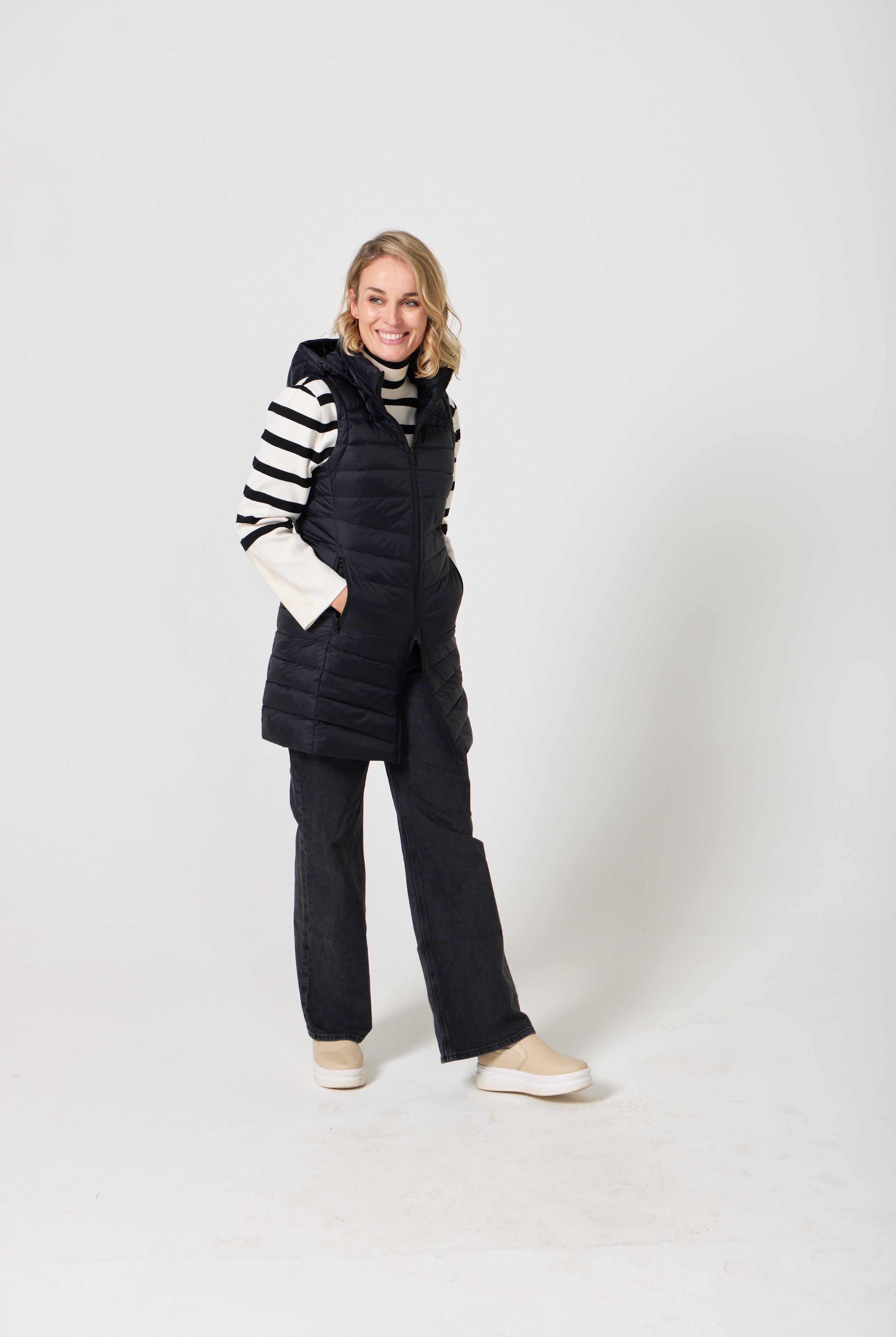
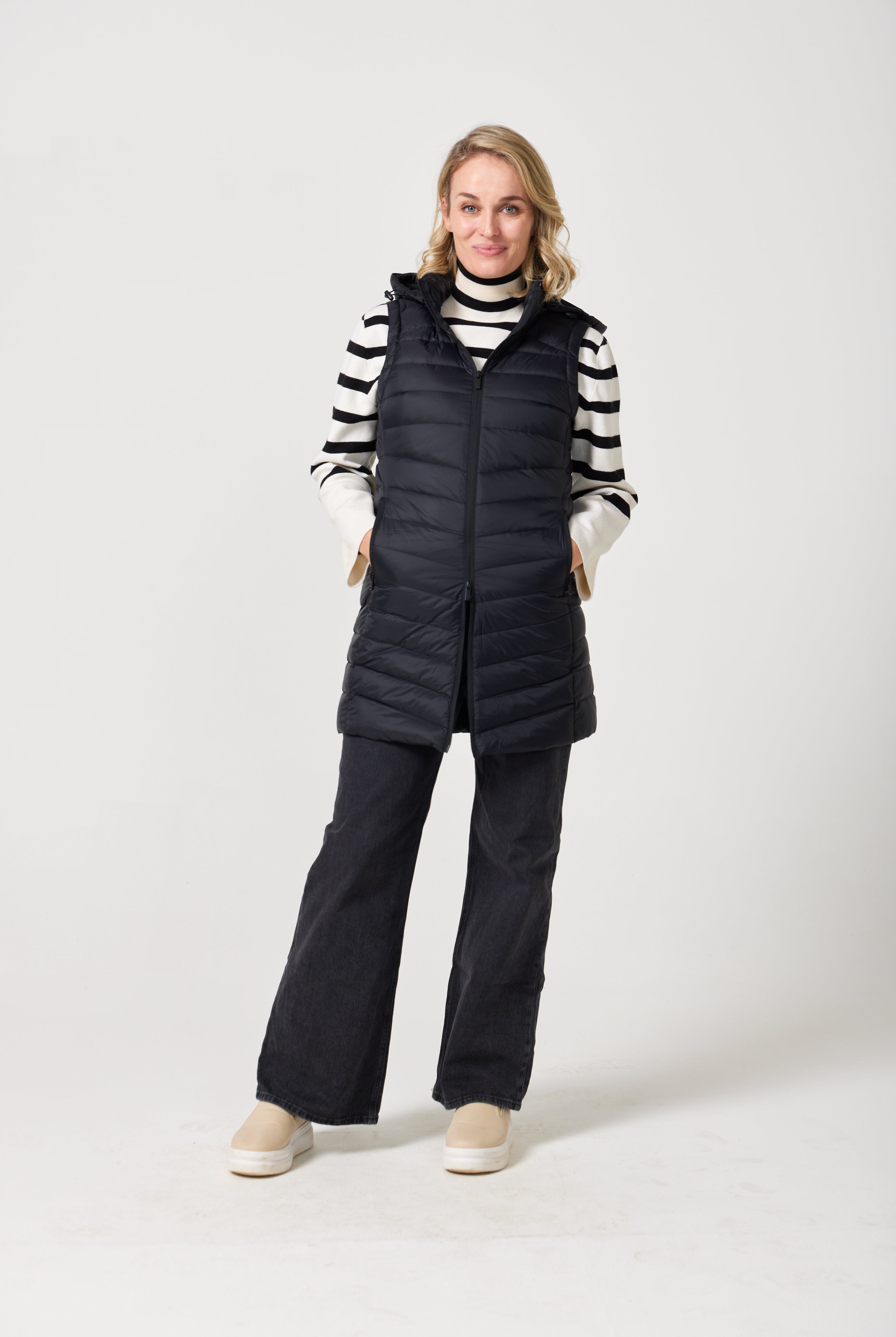
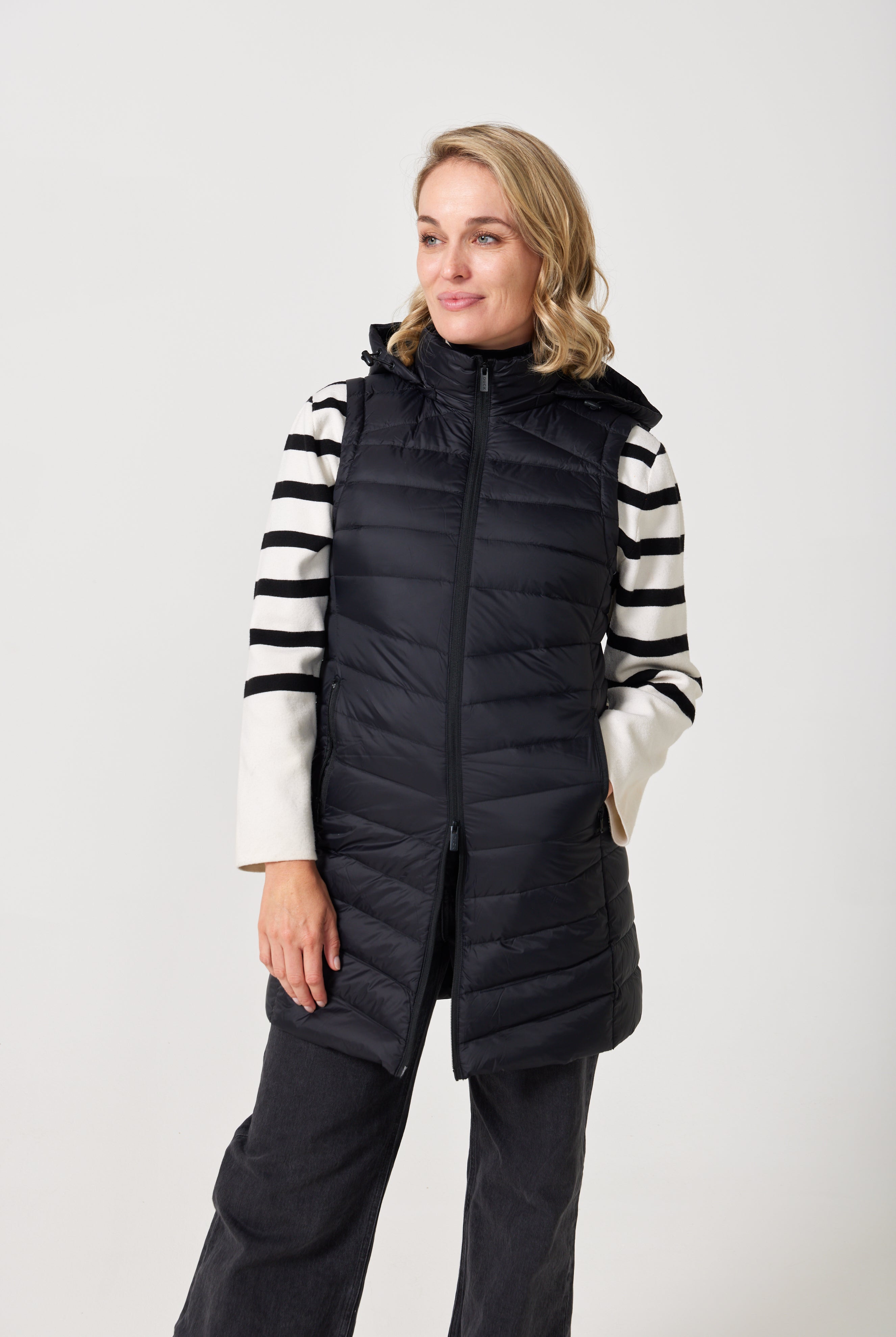
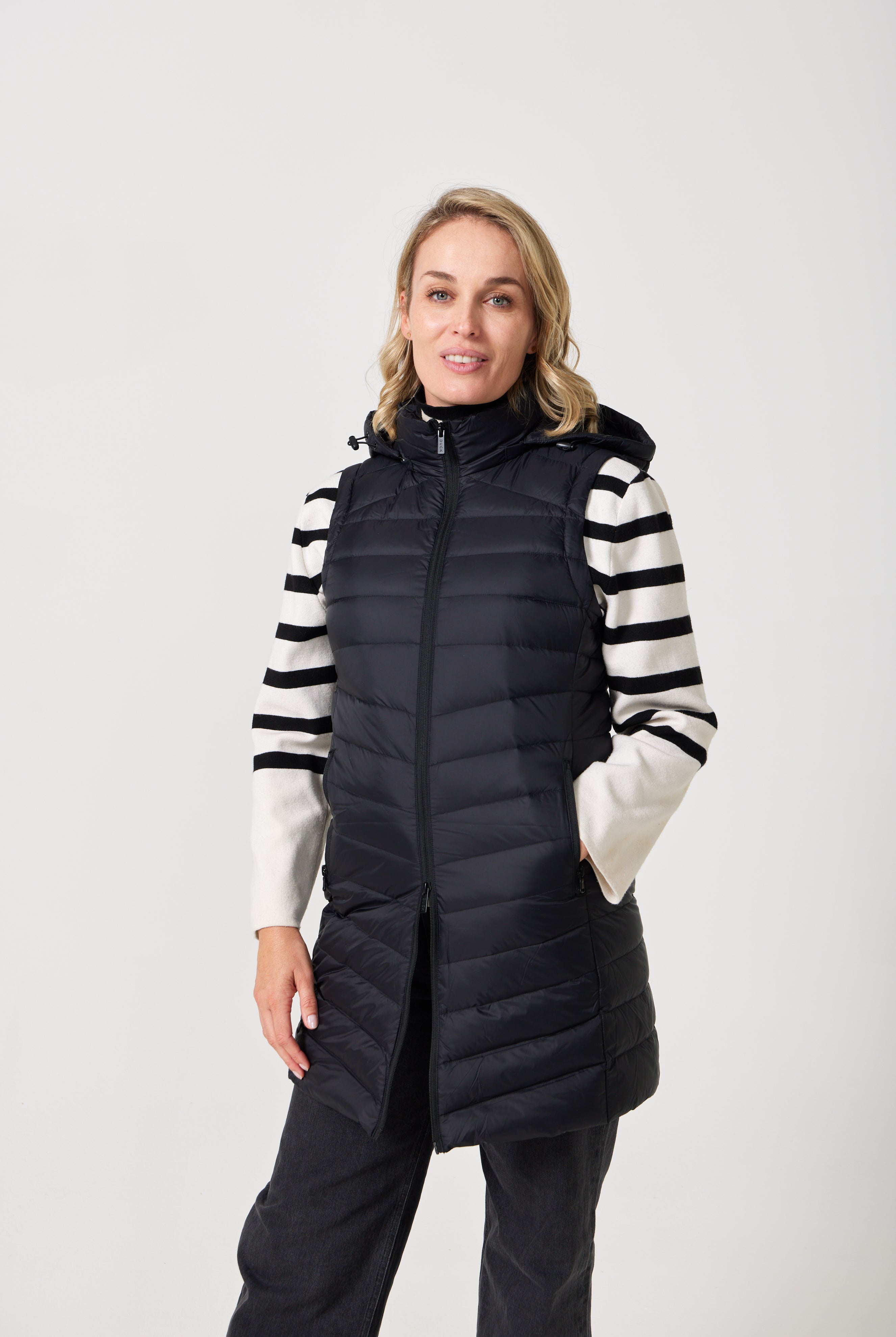
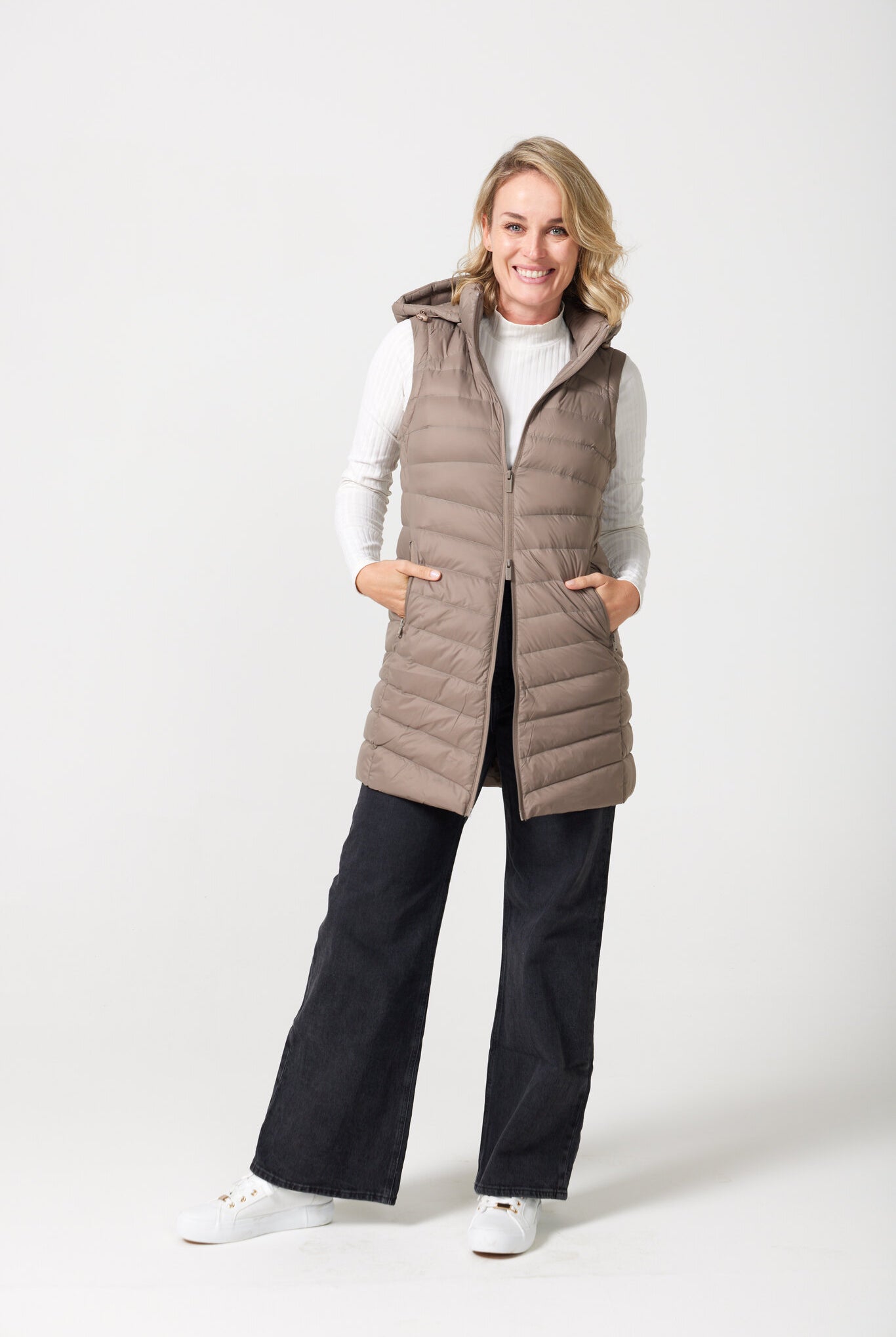
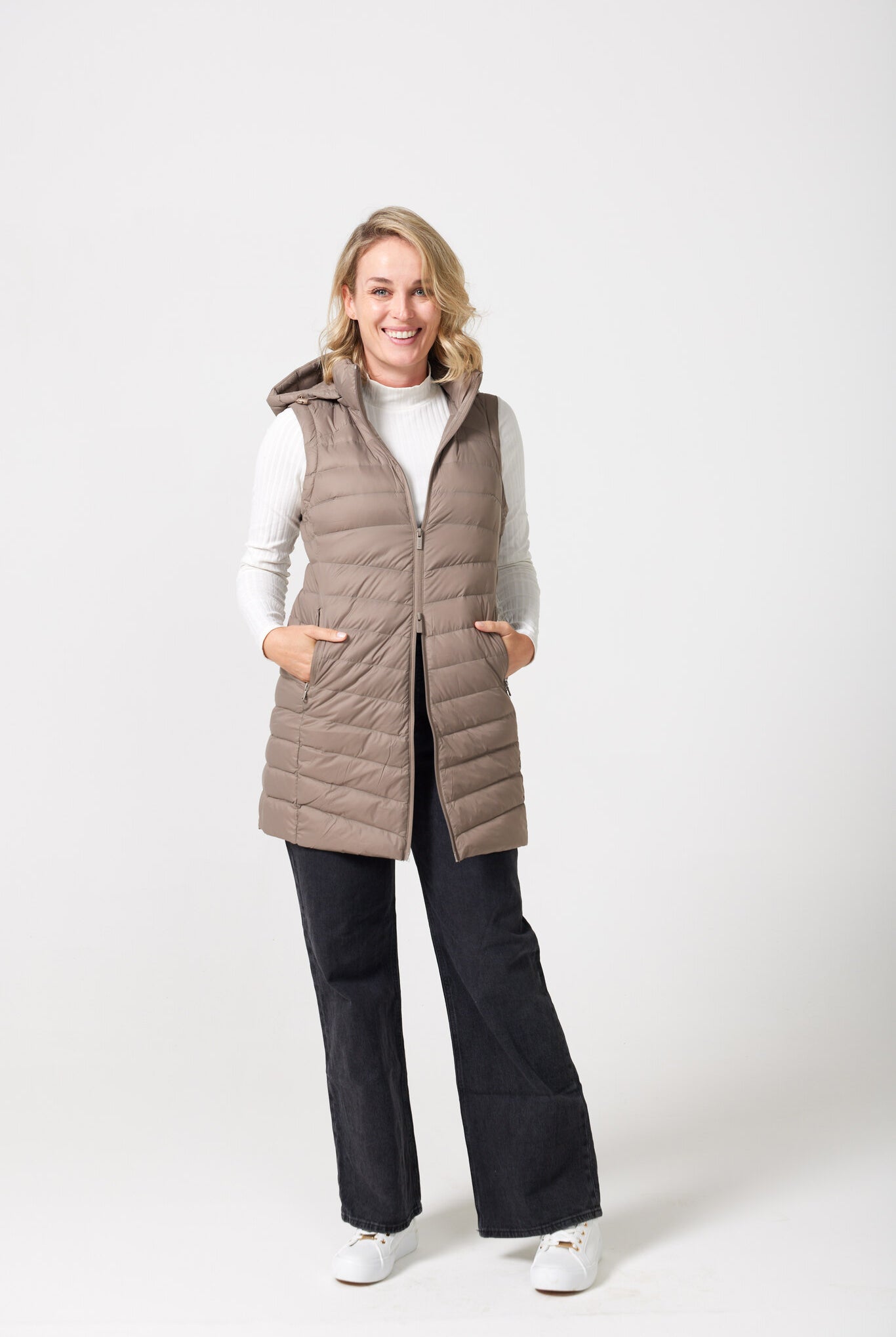
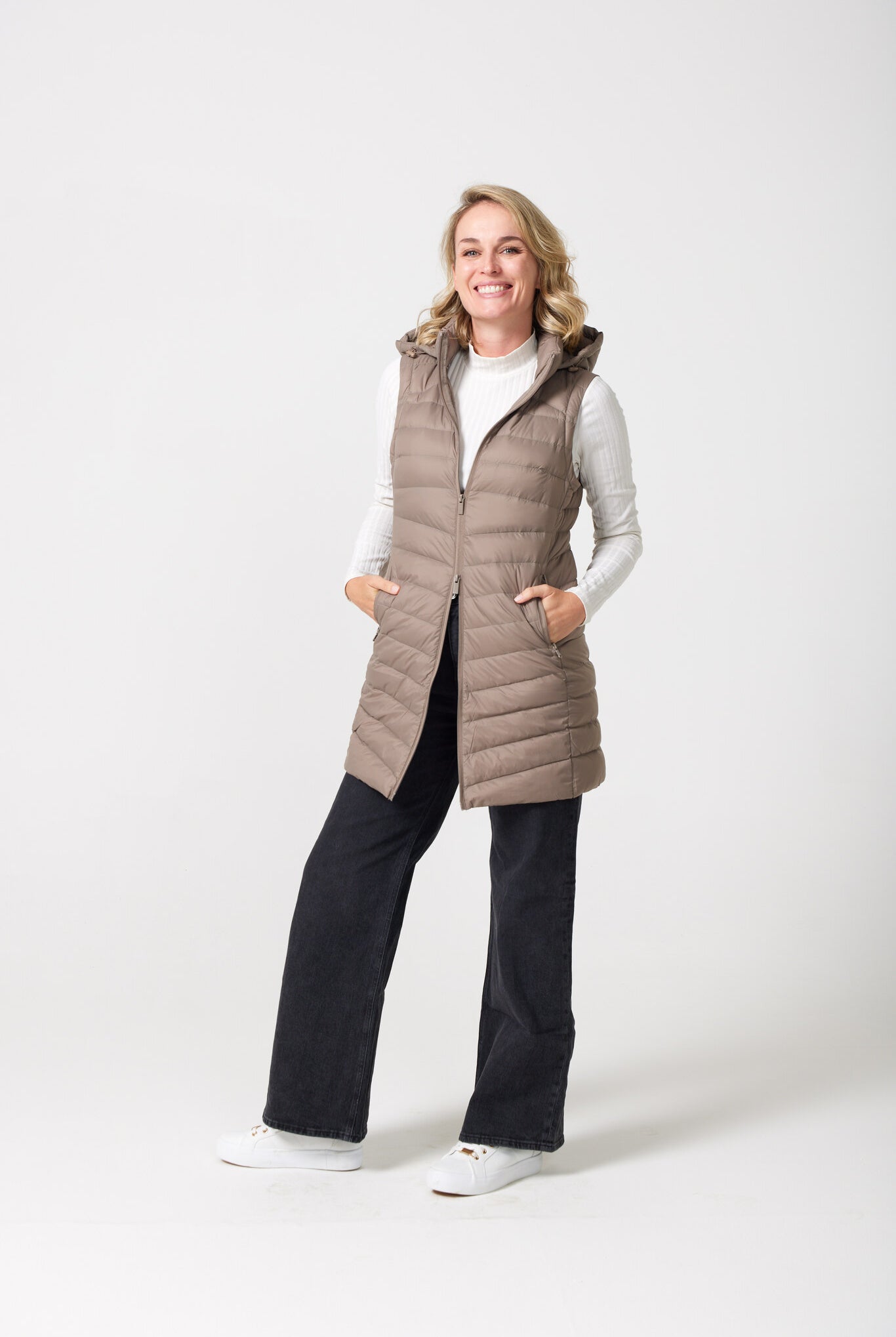
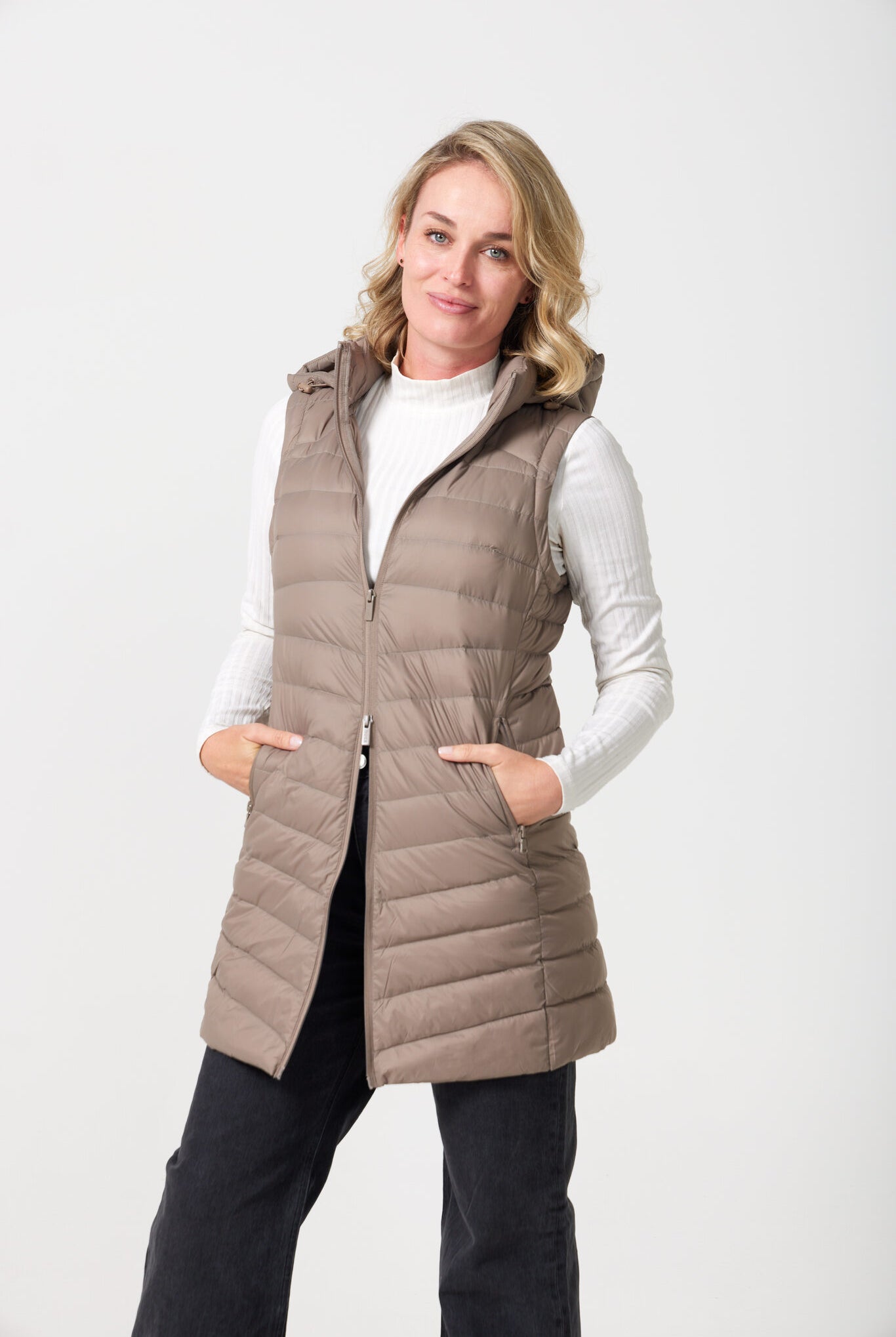
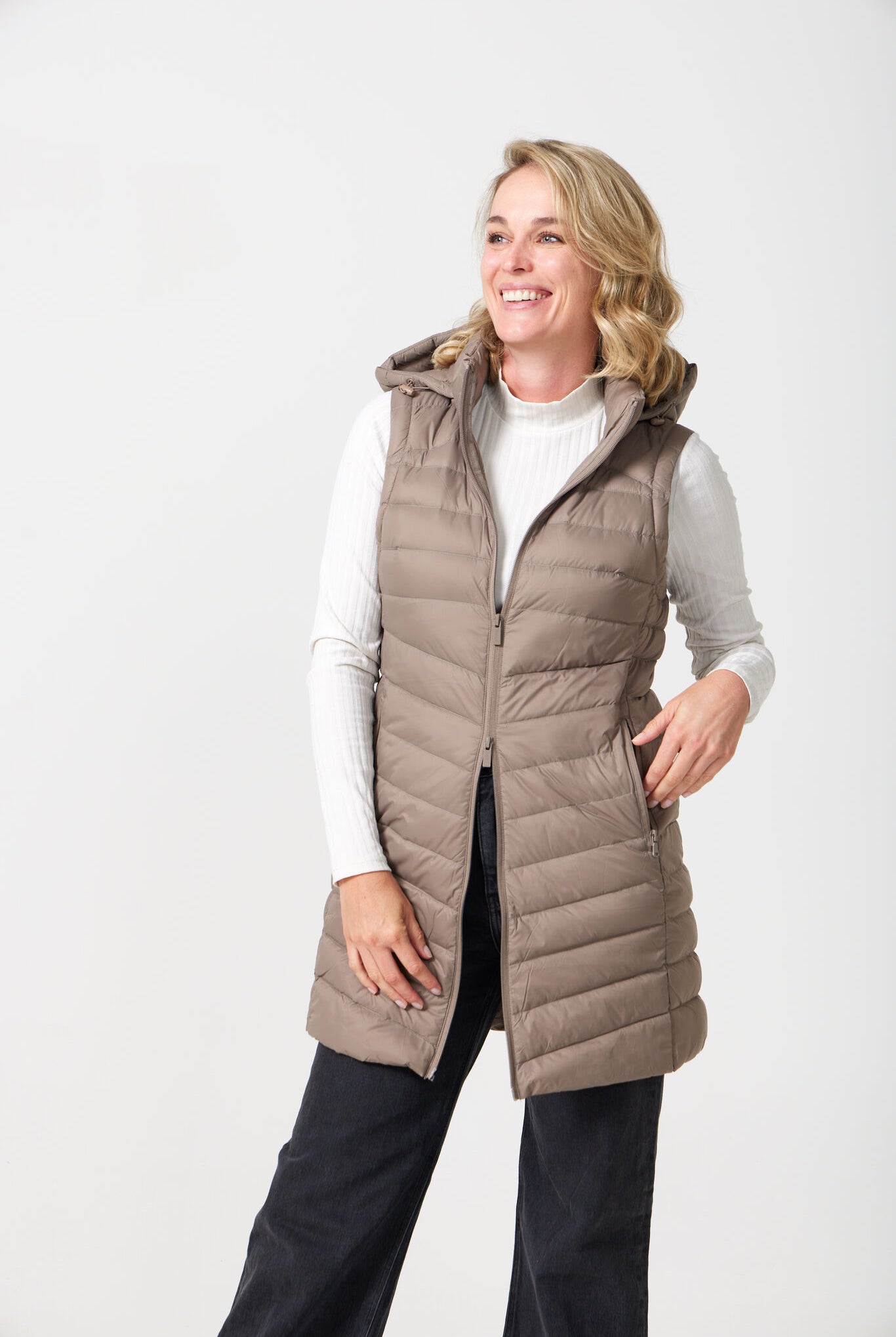
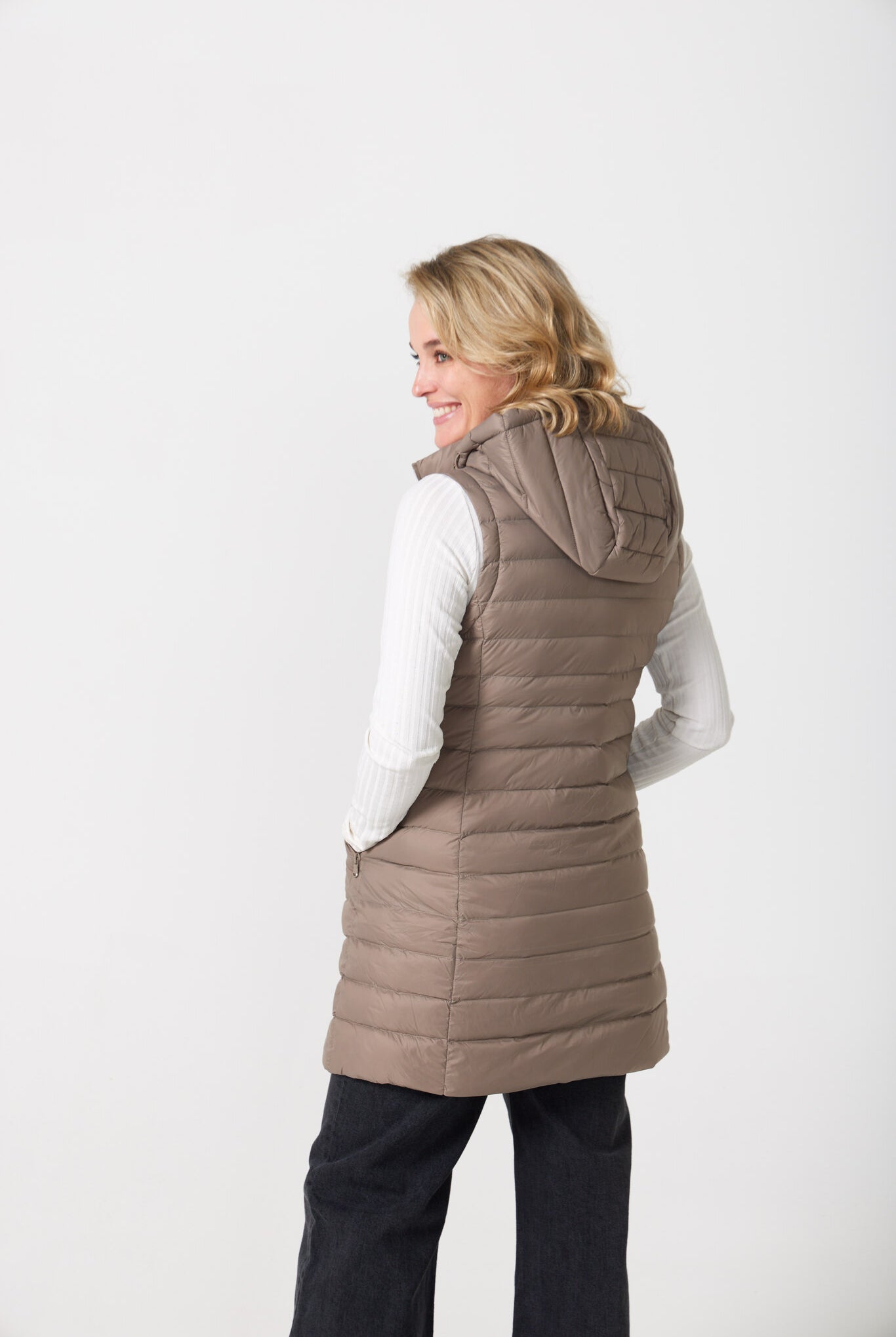
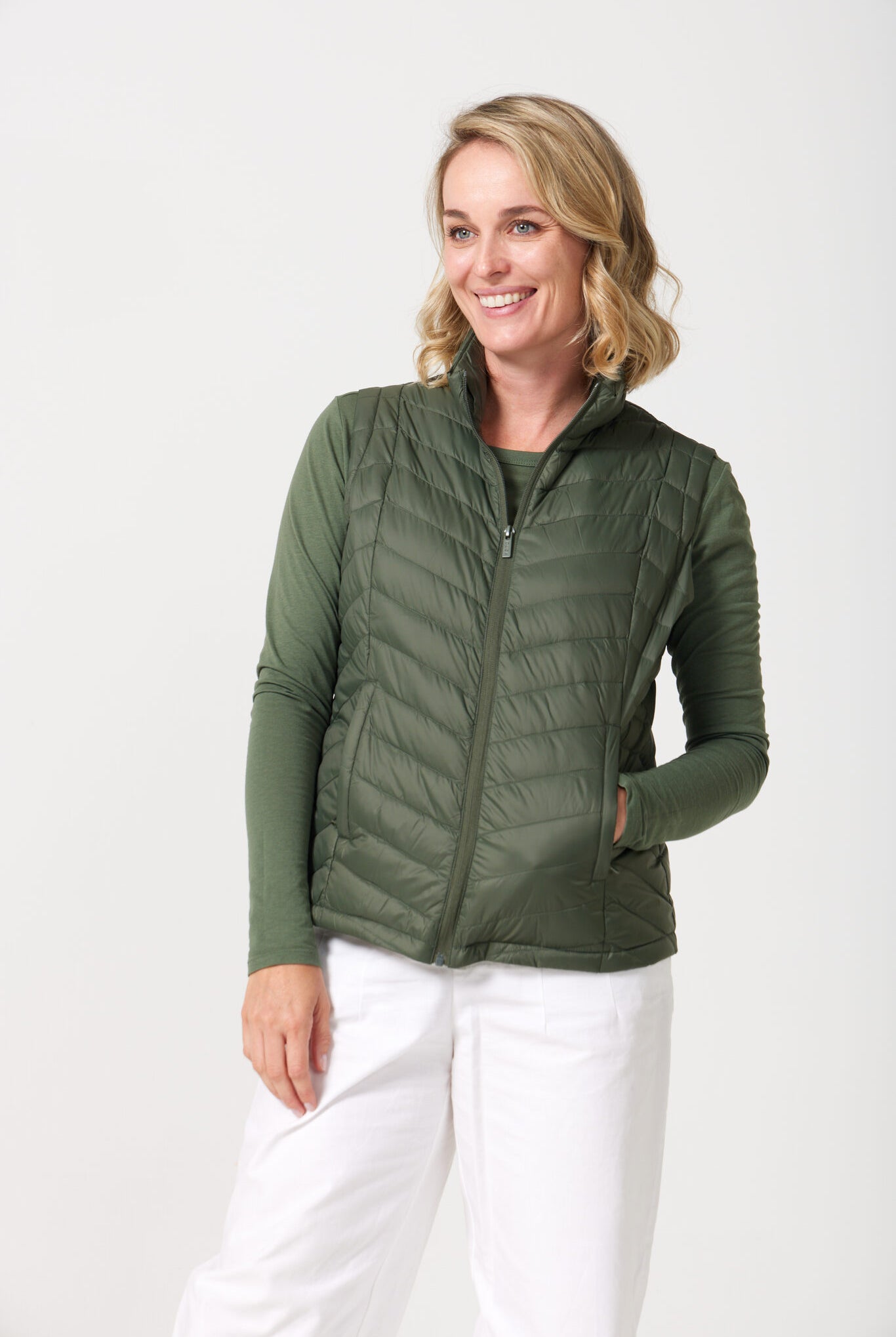
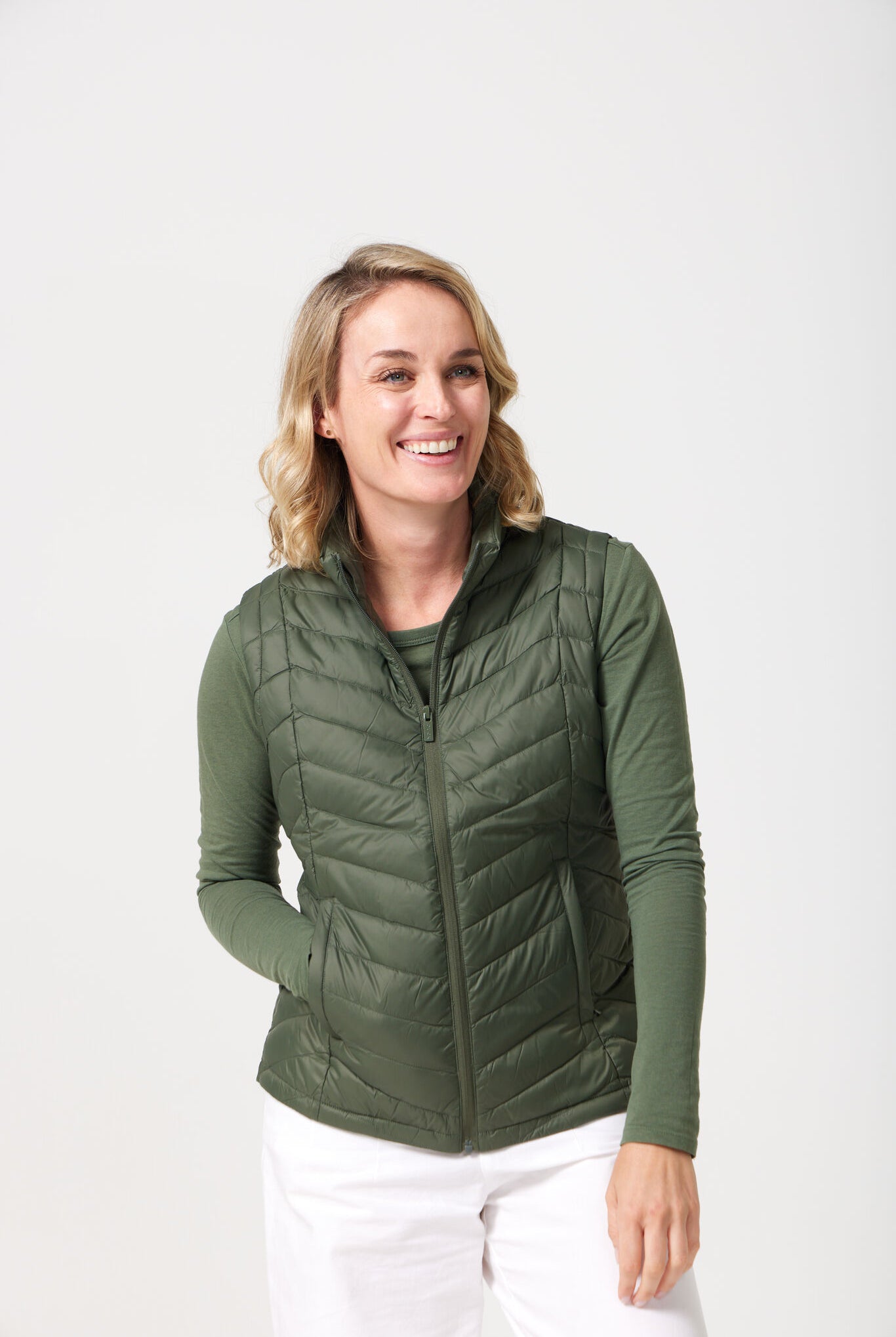
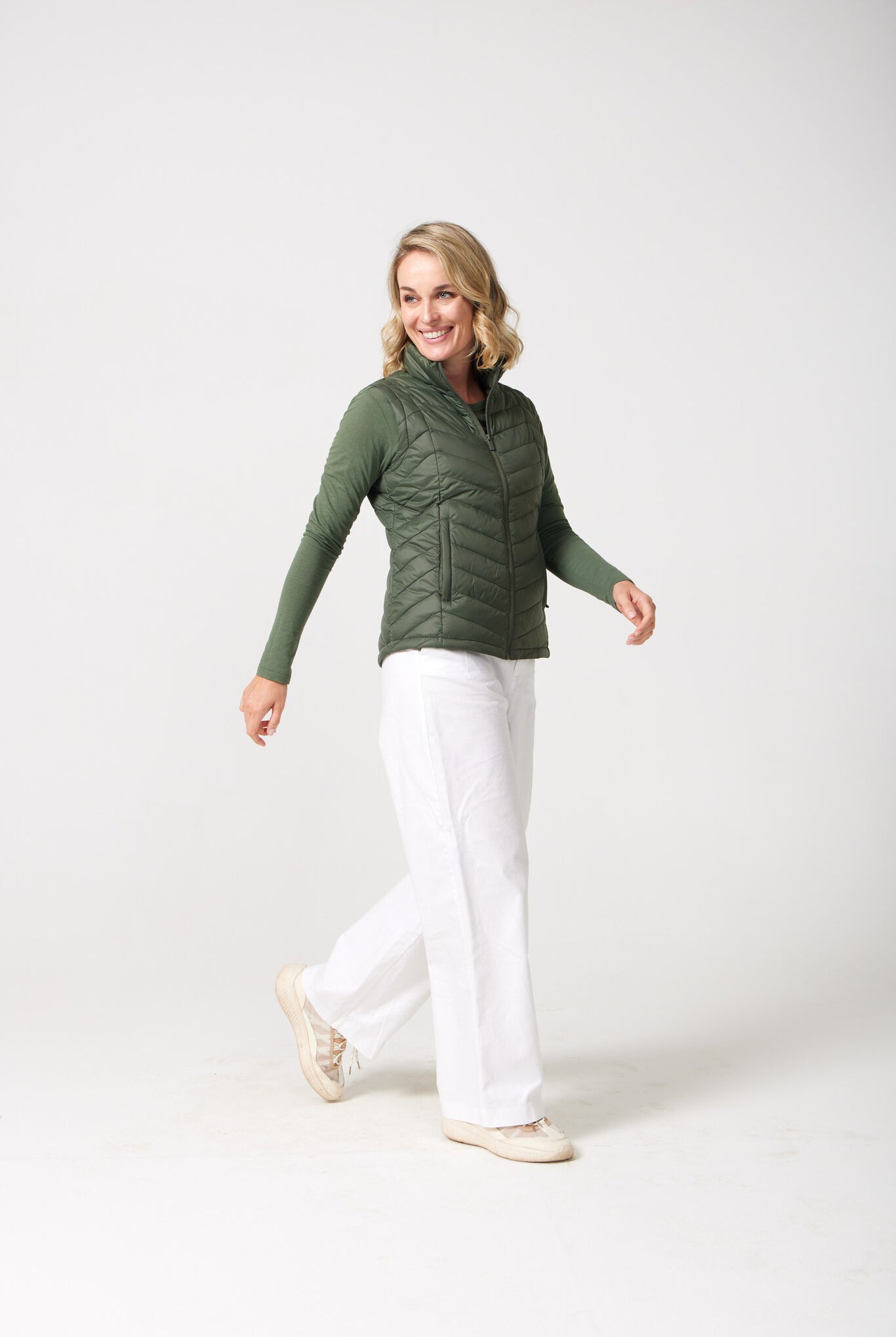
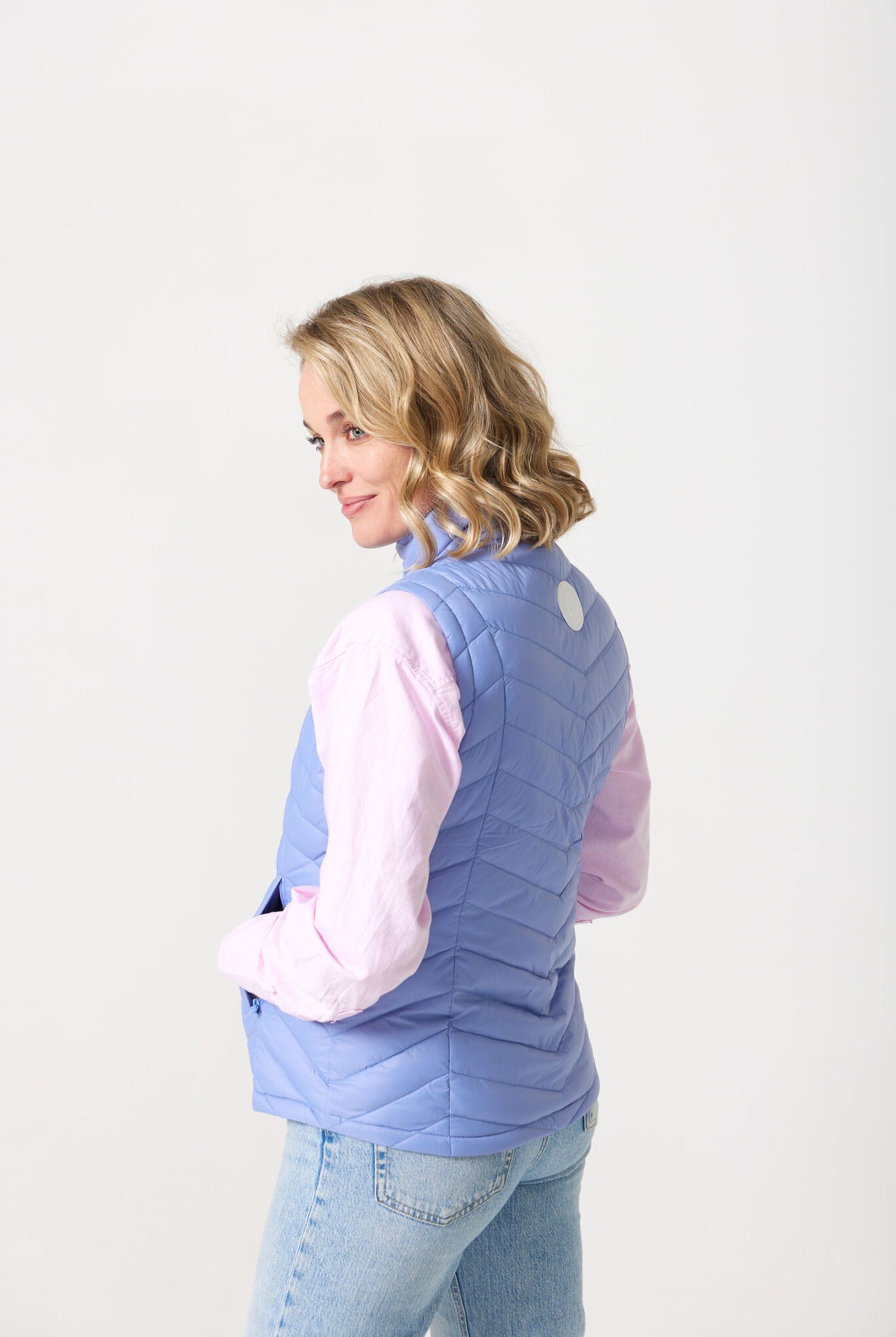
A duck down vest, also called a gilet, is a sleeveless insulated layer that keeps the core warm while leaving the arms completely free to move. Duck Apparel makes them in two lengths in South Africa, a hip length Classic Gilet in colours including Sage, Chai, Vista and Midnight, and a Longline Gilet in Sage, Midnight and Chai. This page explains when a vest works better than a jacket, how the two lengths differ, and how to layer one through the year so it gets worn well beyond the coldest weeks.


When does a vest work better than a jacket?

Choose a vest when your arms are busy or when the cold is mild enough that a full jacket runs hot. Driving, cycling, walking a dog, working outdoors and watching sport all sit in that group, because the core stays warm while the shoulders stay free. A vest also solves the awkward months either side of winter, roughly March to May and September to November in South Africa, when a jacket is too much at midday and a jumper is not enough at seven in the morning. Compared with a sleeved down jacket, a gilet takes up less room in a bag and slides under a raincoat without bulking out the sleeves.
Classic Gilet or Longline Gilet?

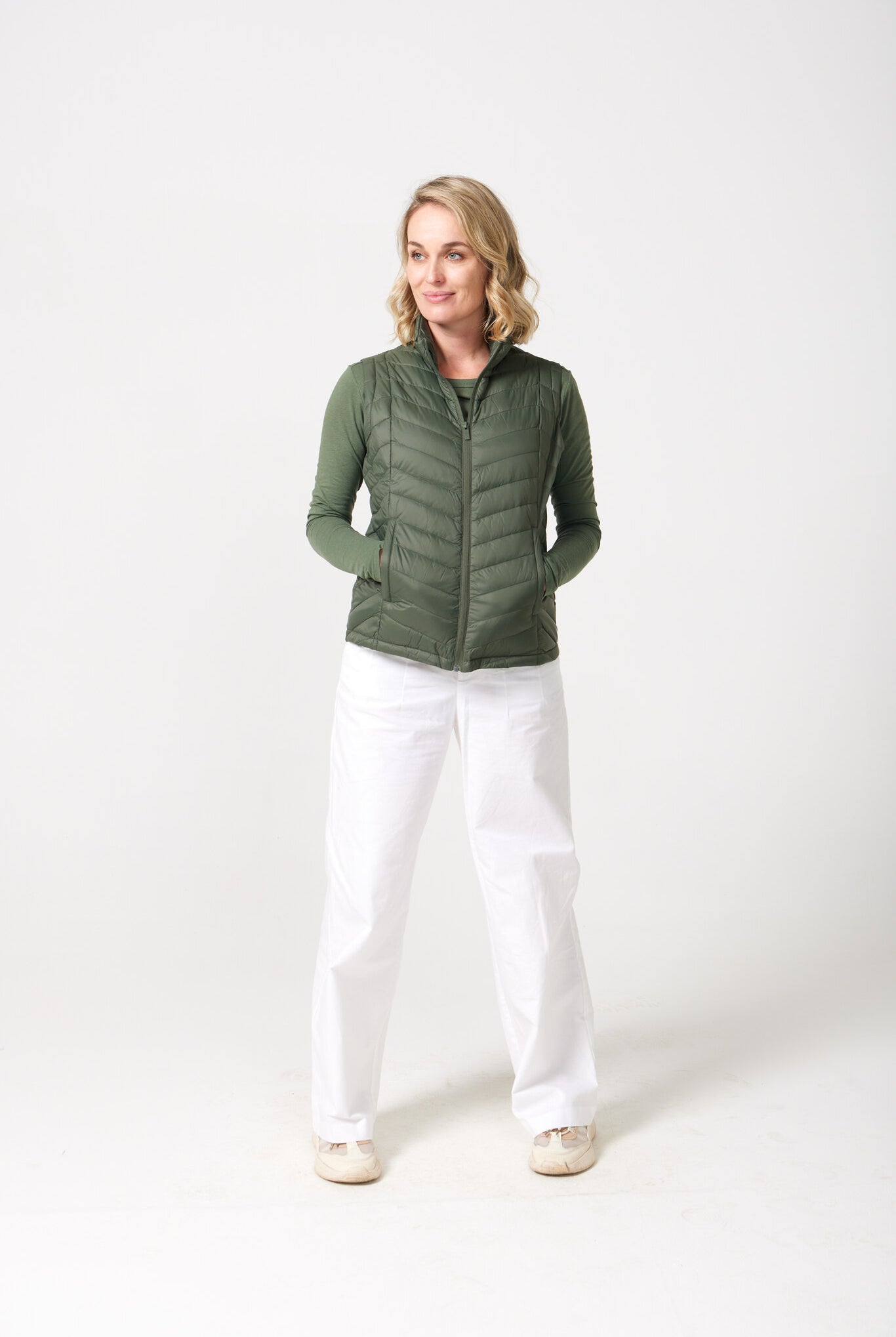
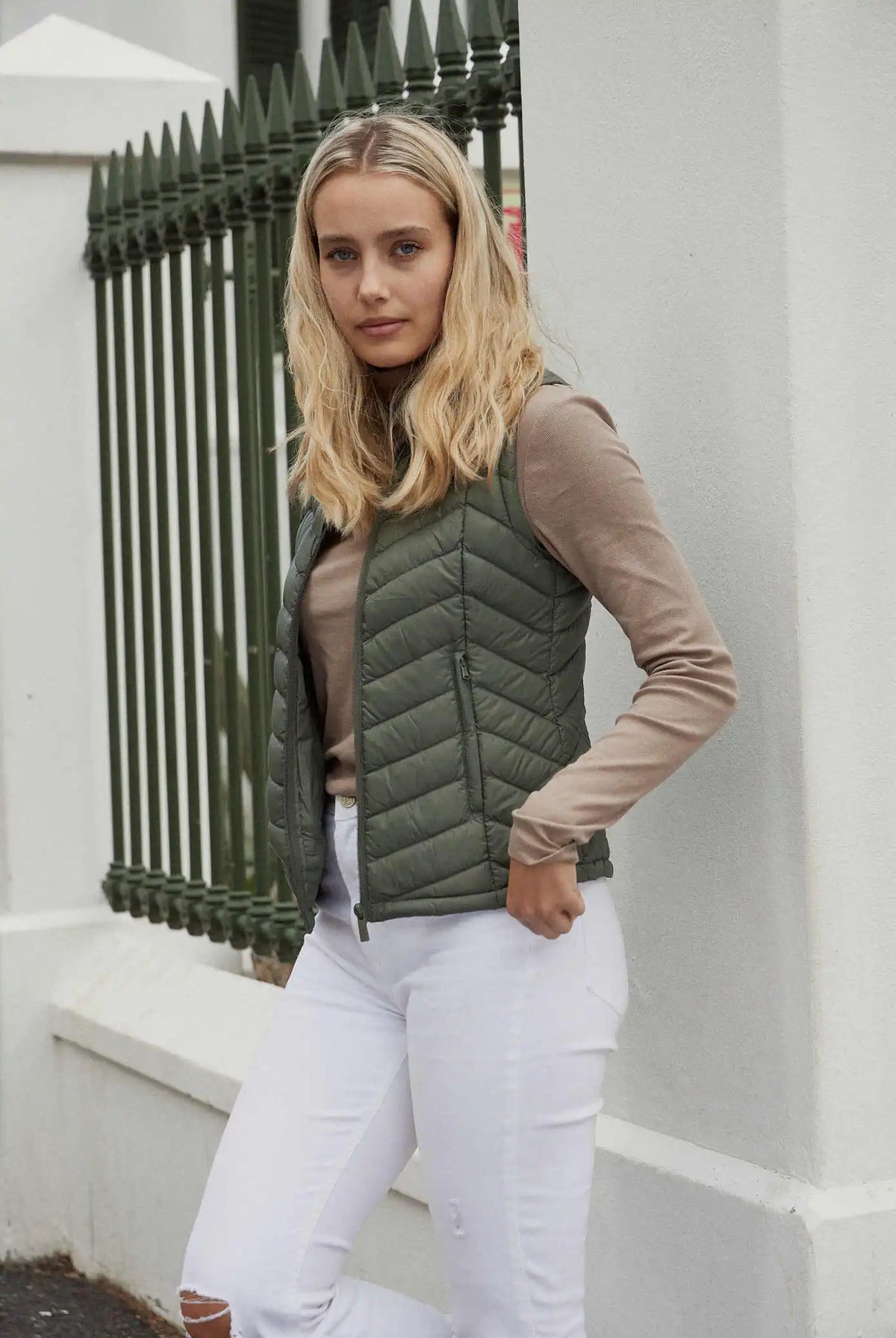
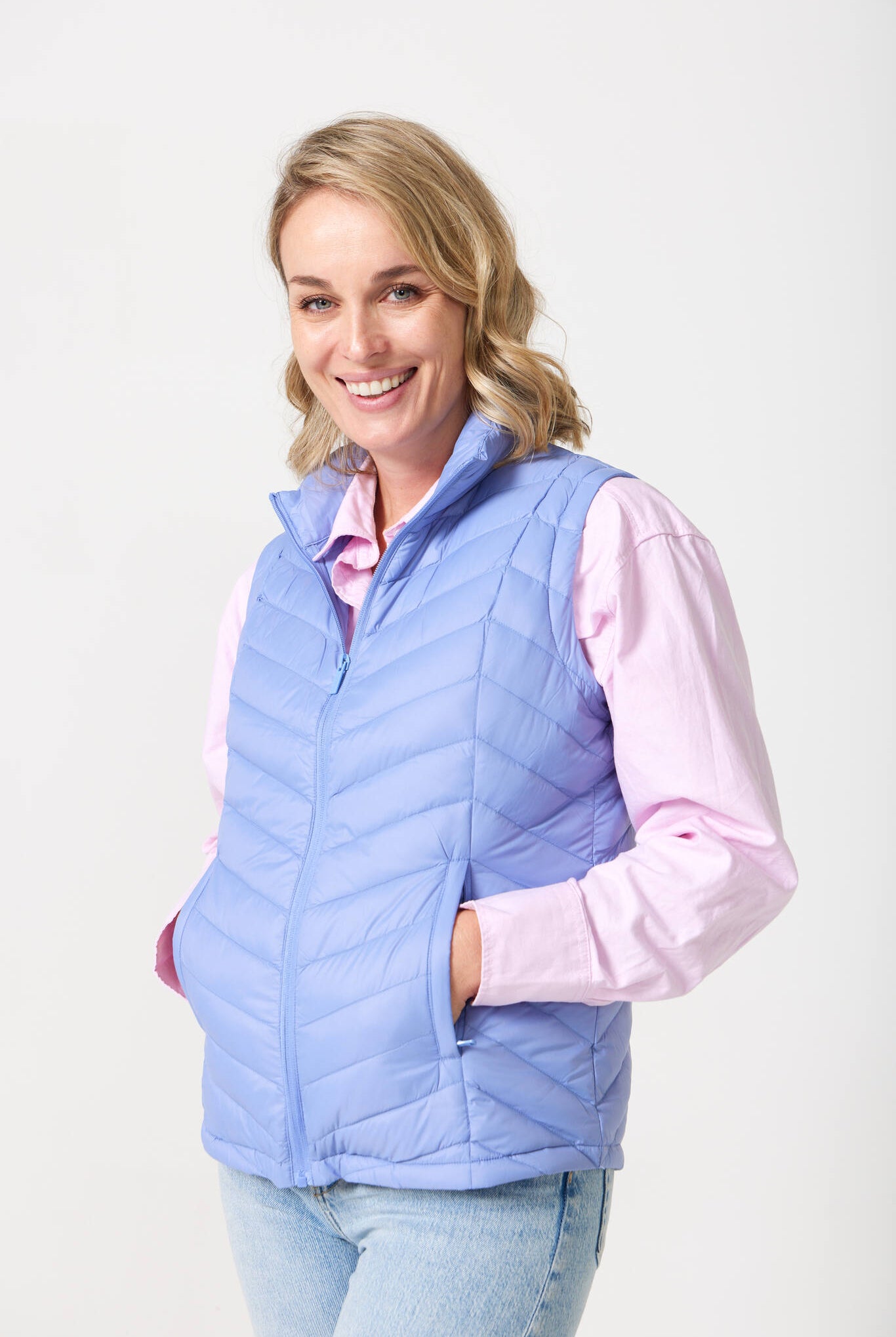
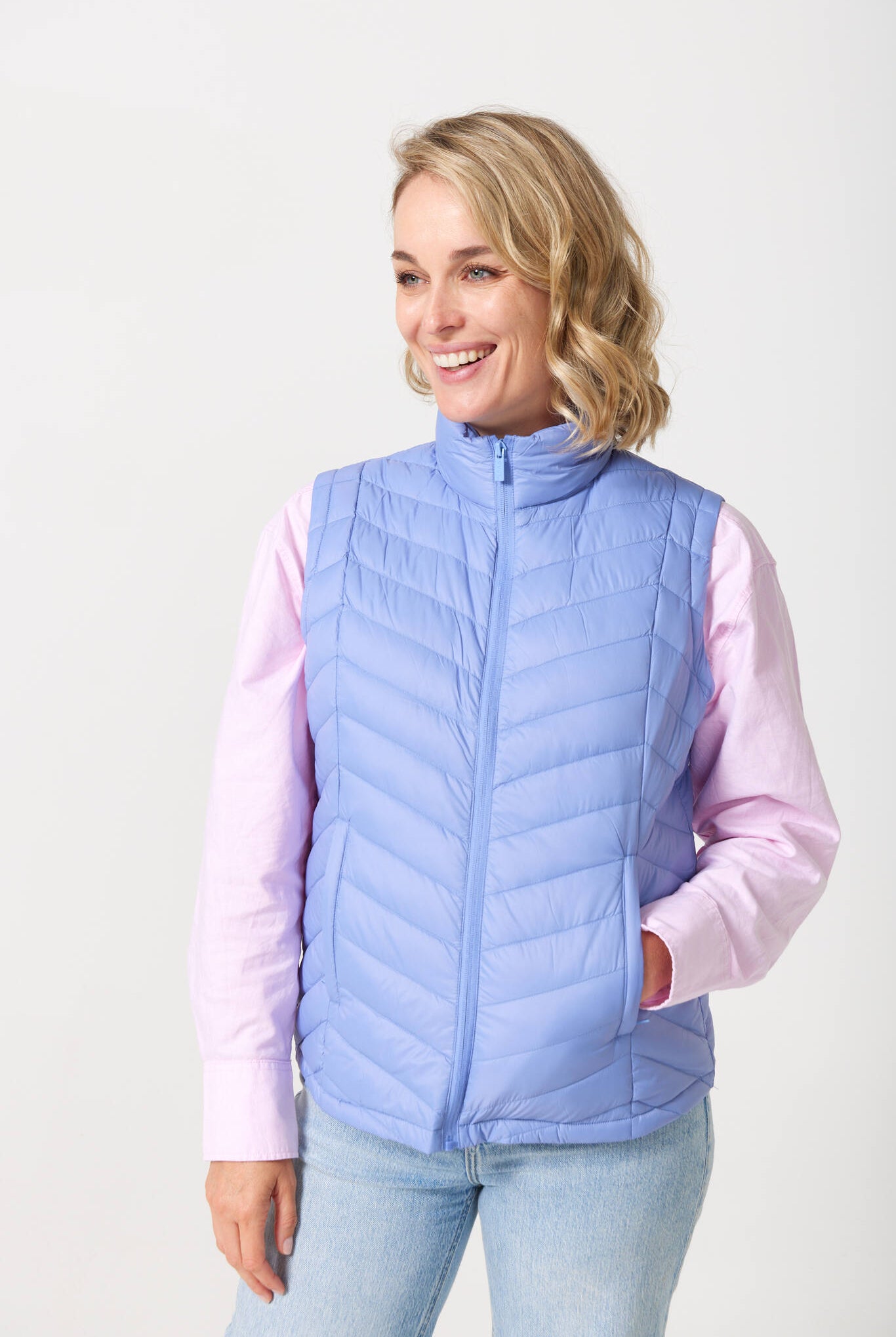
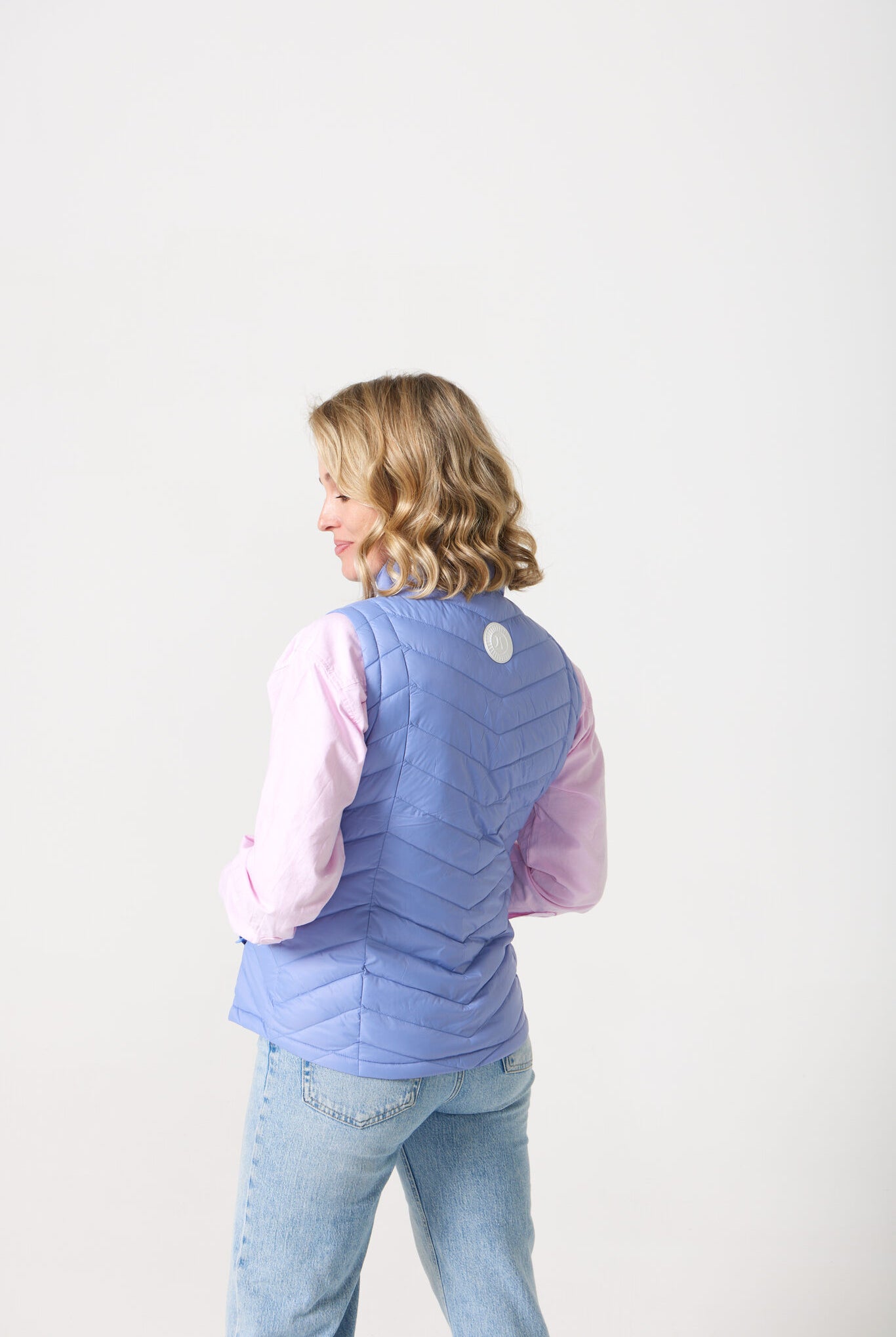
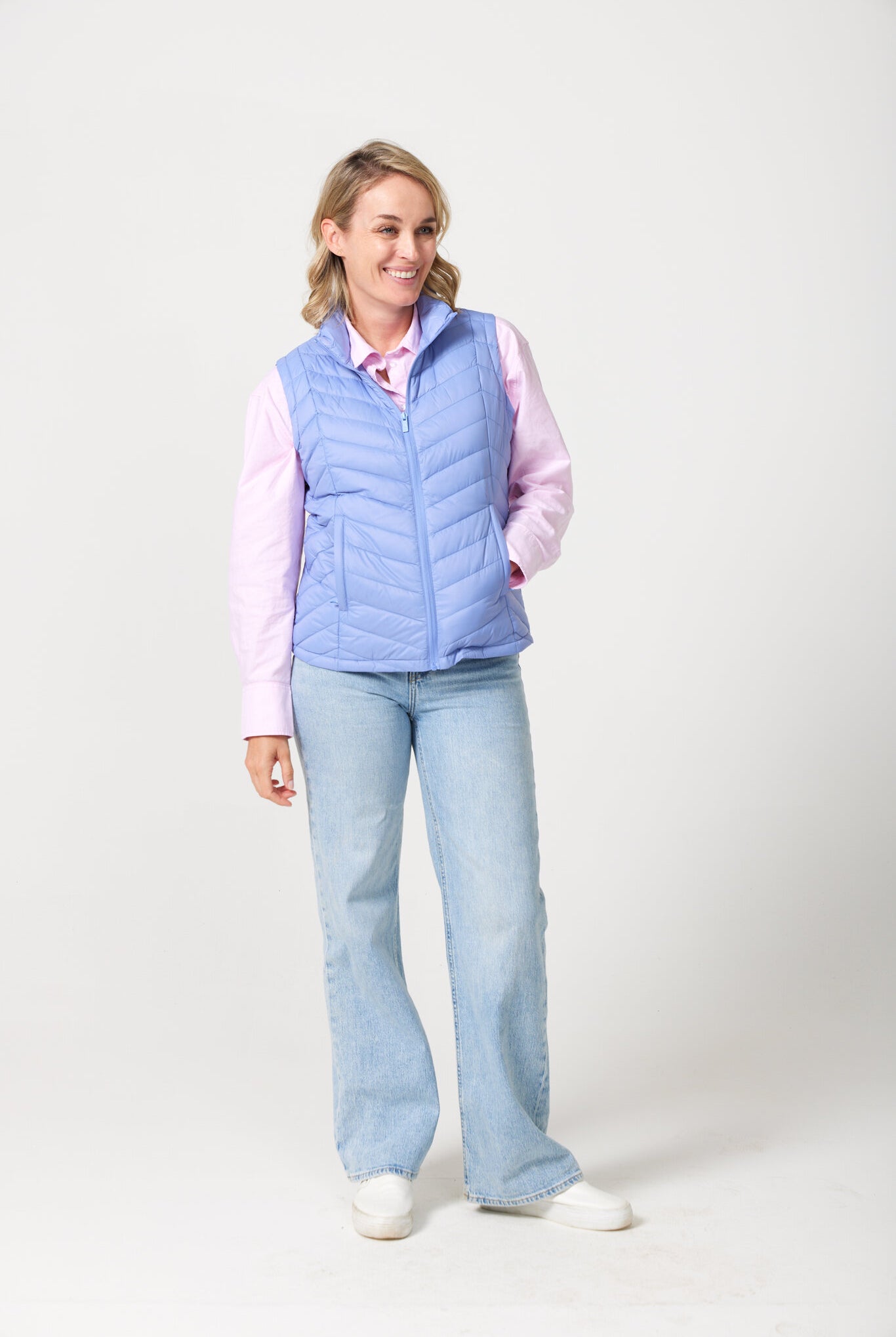
Length is the main decision, and it comes down to how much of you needs covering when you stop moving. The Classic Gilet sits at the hip, which keeps it clear when you sit down, reach up or wear it over a longer top. The Longline Gilet carries further down the body, covering the lower back and hips, which helps most when you are standing still in cold air. If you want to compare lengths across the whole range, the longline gilets and the hip length outerwear sections separate them for you.

Colour tends to follow use rather than season. Sage and Chai read as relaxed and pair easily with denim and neutral knits, while the Midnight Classic Gilet and the Midnight Longline Gilet work with tailoring and darker winter clothing. Vista sits between the two and carries both ways.

How do you layer a duck down vest?

Layer a vest by placing the insulation second, never first. A long sleeve top or fine knit goes against the skin, the gilet goes over it to hold heat at the core, and a shell goes on top only when there is rain or wind. Two thin layers under a gilet generally beat one thick jumper, because it is trapped air rather than fabric thickness that does the work. Through the coldest weeks in South Africa, from June to August, a gilet still earns a place indoors, in the car and on the school run, where a full jacket quickly becomes too warm. For the complete sleeveless range across both lengths and every colour, the duck down vests and gilets grouping gives the wider view.

Frequently Asked Questions

What is a duck down vest?

A duck down vest is a sleeveless jacket insulated with duck down, designed to keep the torso warm while leaving the arms uncovered. It is also called a gilet, and the two words mean the same garment. Duck Apparel offers it in a hip length Classic Gilet and a longer Longline Gilet.

What is the difference between a gilet and a vest?

There is no practical difference, because gilet and vest describe the same sleeveless insulated layer. Gilet is the more common term in South Africa, the United Kingdom and Australia, while vest is used more often in North America. Duck Apparel uses both words for the same pieces.

When should you wear a duck down vest instead of a jacket?

Wear a duck down vest instead of a jacket when your arms need freedom or when a full jacket would be too warm for the conditions. It suits driving, cycling, dog walking, outdoor work and sport on the sideline. It is also the better choice in autumn and spring, when mornings are cold but midday is mild.

Should I choose a Classic Gilet or a Longline Gilet?

Choose the Classic Gilet if you want a hip length layer that stays out of the way while you move, and the Longline Gilet if you want coverage across the lower back and hips. The shorter cut is easier over longer tops and in a car seat. The longer cut holds more warmth when you are standing still.

Can you wear a duck down vest under a coat?

Yes, a duck down vest layers under a coat or a rain shell very effectively, because it adds warmth at the core without bulking out the sleeves. This is a useful way to extend the range of a lighter outer layer in cold weather. Leave enough room so the down can still loft rather than being pressed flat.

Is a duck down vest warm enough on its own?

A duck down vest is warm enough on its own in mild cold, but the arms need their own layer once the temperature drops. Most people wear one over a knit or long sleeve top through autumn and spring. In deep winter it works better as a mid layer under a jacket or shell.

What should I wear under a duck down gilet?

Wear a fine knit or a long sleeve top under a duck down gilet, so the gilet traps warm air rather than sitting against bare skin. Two thin layers usually work better than one thick jumper, because the air between them adds insulation. Keep the layers close fitting so the gilet is not forced out of shape.